Cevurı: Discover the Rich Flavors of a Traditional Turkish Dish

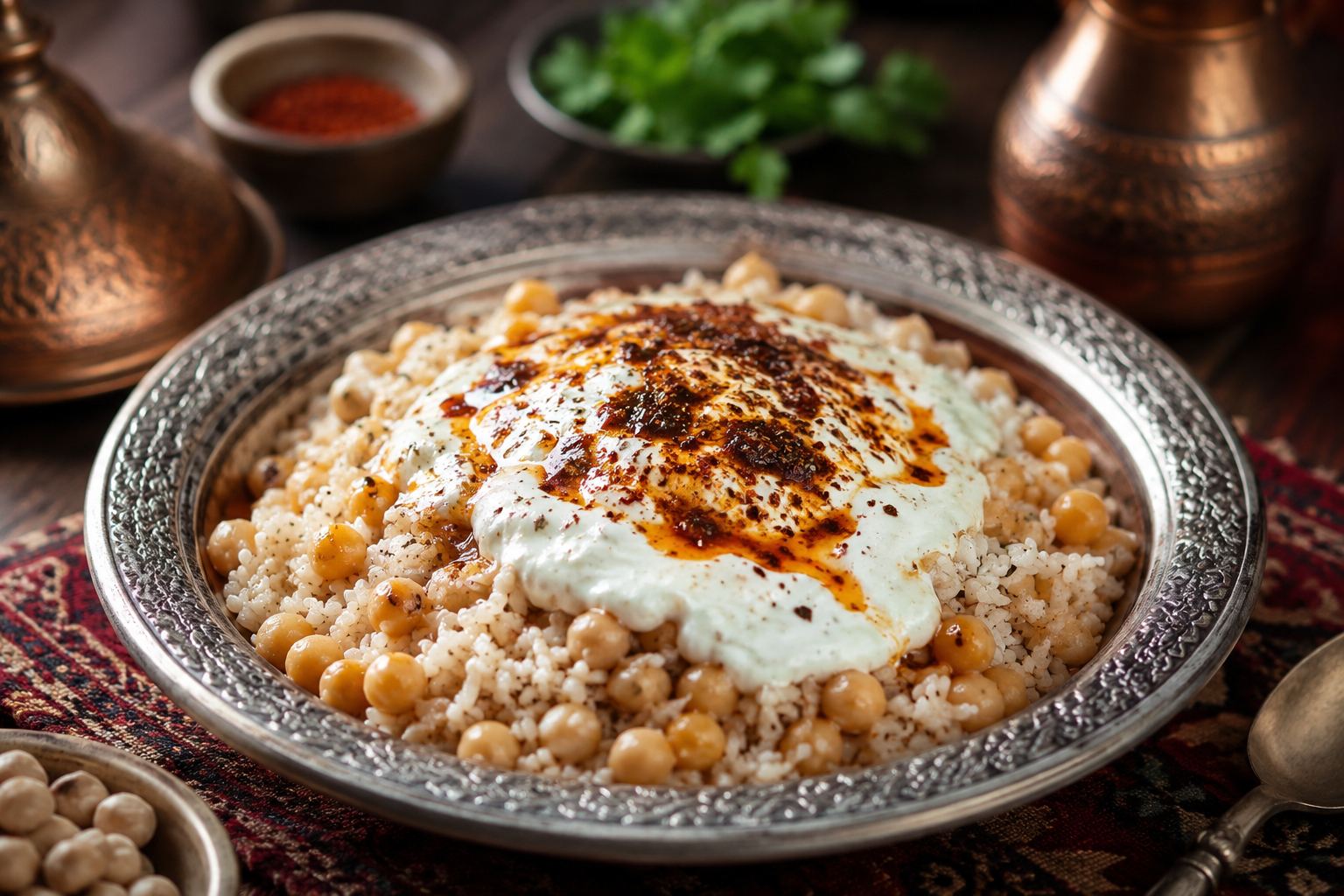
Turkey is famous for its vibrant culinary heritage, offering a remarkable variety of dishes that reflect centuries of cultural influence and regional traditions. While many people are familiar with kebabs, baklava, and pide, there are numerous lesser-known dishes that deserve equal recognition. One such culinary treasure is Cevurı.
Known for its rich flavors, traditional preparation methods, and deep connection to Turkish food culture, Cevurı represents the essence of authentic Turkish cooking. As global interest in international cuisine continues to grow, food enthusiasts are increasingly discovering this unique dish and appreciating its place within Turkey’s diverse gastronomic landscape.
Whether you are a traveler seeking authentic Turkish food experiences or a home cook interested in exploring new recipes, Cevurı offers a fascinating glimpse into one of Turkey’s cherished culinary traditions.
What Is Cevurı?
Cevurı is a traditional Turkish dish often associated with carefully seasoned ingredients, slow cooking techniques, and rich flavors that reflect the country’s culinary heritage.
Like many regional Turkish specialties, Cevurı varies depending on local traditions and family recipes. The dish is typically prepared using fresh ingredients, aromatic herbs, and a combination of spices that create a distinctive taste profile.
Its appeal lies not only in its flavor but also in its ability to bring people together around the dining table, a core aspect of Turkish culture.
The Historical Origins of Cevurı
Turkey’s cuisine has evolved through centuries of cultural exchange involving Central Asia, the Middle East, the Mediterranean, and the Balkans.
A Dish Rooted in Tradition
Many traditional Turkish recipes have been passed down through generations. Cevurı is believed to reflect these longstanding culinary practices, preserving techniques and flavors that have remained popular for decades.
Historically, Turkish households relied on locally available ingredients, creating dishes that were both nourishing and flavorful. Cevurı embodies this philosophy by emphasizing freshness, simplicity, and quality.
The Influence of Regional Cooking
Turkey’s diverse geography has produced numerous regional variations of classic dishes.
Different regions may adapt Cevurı by incorporating:
- Local herbs
- Regional spice blends
- Seasonal vegetables
- Traditional cooking methods
- Family-specific recipes
This diversity helps keep the dish relevant and beloved across generations.
Key Ingredients Used in Cevurı
One reason for Cevurı’s popularity is its reliance on wholesome ingredients.
Common Ingredients
Depending on the recipe variation, Cevurı may include:
- Fresh meat or poultry
- Seasonal vegetables
- Garlic
- Onions
- Tomatoes
- Olive oil
- Turkish spices
- Fresh herbs
The combination of these ingredients creates a balanced flavor profile that is both comforting and satisfying.
Importance of Fresh Ingredients
Traditional Turkish cuisine places great emphasis on ingredient quality.
Fresh produce and carefully selected seasonings contribute significantly to the authentic taste that makes Cevurı memorable.
How Cevurı Is Traditionally Prepared
Preparation techniques play an important role in Turkish cooking.
Marination Process
Many recipes begin by marinating key ingredients to enhance flavor and tenderness.
Common seasonings may include:
- Paprika
- Black pepper
- Oregano
- Thyme
- Garlic
Slow Cooking for Maximum Flavor
One hallmark of traditional Turkish dishes is patience.
Slow cooking allows flavors to develop naturally while maintaining moisture and texture. This technique helps create the rich and satisfying taste associated with Cevurı.
Final Presentation
Turkish cuisine values presentation as much as flavor.
Cevurı is often served with:
- Fresh bread
- Rice dishes
- Grilled vegetables
- Yogurt-based sides
- Fresh salads
These accompaniments complement the main dish and create a complete dining experience.
Why Food Lovers Are Discovering Cevurı
Global interest in authentic international cuisine has increased significantly in recent years.
Demand for Traditional Foods
Consumers increasingly seek dishes that offer:
- Authentic cultural experiences
- Traditional preparation methods
- Unique flavors
- Historical significance
Cevurı satisfies these preferences by delivering a genuine taste of Turkish culinary heritage.
Social Media Influence
Food-focused content creators and travel bloggers frequently highlight hidden culinary gems from around the world.
As a result, dishes like Cevurı are reaching audiences far beyond Turkey’s borders.
Nutritional Benefits of Cevurı
Beyond its flavor, Cevurı can provide several nutritional advantages.
Protein-Rich Ingredients
Many versions of the dish contain quality protein sources that support muscle maintenance and overall health.
Vegetable Content
Fresh vegetables contribute:
- Vitamins
- Minerals
- Dietary fiber
- Antioxidants
Balanced Meal Option
When paired with traditional side dishes, Cevurı can form part of a balanced and satisfying meal.
Regional Variations Across Turkey
Turkey’s culinary diversity means that recipes often vary between regions.
Coastal Regions
Coastal areas may incorporate lighter ingredients and Mediterranean influences.
Central Anatolia
Recipes from central regions often emphasize hearty flavors and traditional cooking methods.
Southeastern Turkey
This region is known for bold spices and rich culinary traditions that may influence local versions of Cevurı.
These regional differences contribute to the dish’s enduring popularity and cultural significance.
How to Enjoy Cevurı at Home
For those interested in recreating Turkish flavors, preparing Cevurı at home can be a rewarding experience.
Tips for Authentic Results
- Use fresh ingredients whenever possible
- Select quality spices
- Avoid rushing the cooking process
- Serve with traditional Turkish side dishes
- Garnish with fresh herbs
These simple practices help capture the authentic character of the dish.
The Cultural Importance of Turkish Cuisine
Food plays a central role in Turkish hospitality.
Meals are often viewed as opportunities for:
- Family gatherings
- Social connection
- Cultural celebration
- Sharing traditions
Cevurı reflects these values by bringing people together through food and shared experiences.
For readers interested in international food culture, Turkish cuisine demonstrates how traditional recipes continue to shape modern dining experiences.
Conclusion
Cevurı is more than just a traditional Turkish dish. It represents history, culture, hospitality, and culinary craftsmanship that have been preserved across generations.
Its rich flavors, wholesome ingredients, and authentic preparation methods make it an appealing choice for anyone interested in exploring Turkish cuisine. As global appreciation for traditional foods continues to grow, Cevurı stands out as a delicious example of Turkey’s remarkable culinary heritage.
Whether enjoyed in Turkey or prepared at home, Cevurı offers a memorable journey into one of the world’s most respected food cultures.
Frequently Asked Questions
What is Cevurı?
Cevurı is a traditional Turkish dish known for its rich flavors, cultural significance, and authentic preparation methods.
What ingredients are commonly used in Cevurı?
Recipes often include meat, vegetables, herbs, spices, olive oil, onions, and tomatoes.
Is Cevurı popular in Turkey?
Yes, it is recognized as part of Turkey’s diverse culinary tradition and is appreciated for its authentic flavor.
Can I make Cevurı at home?
Yes. Using fresh ingredients and traditional cooking techniques can help recreate authentic results.
What should I serve with Cevurı?
Fresh bread, rice, salads, yogurt-based sides, and grilled vegetables are popular accompaniments.