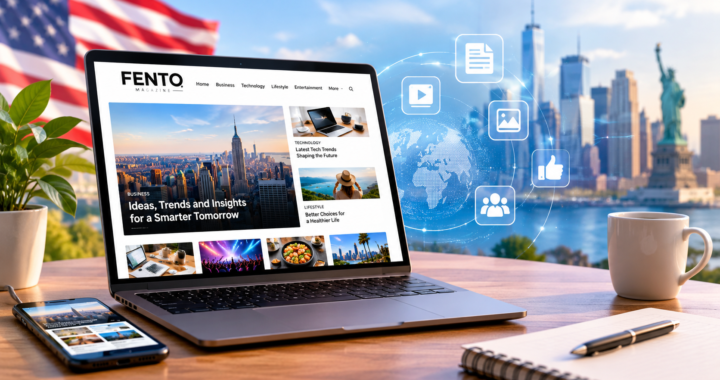
Fentomagazine.com and the Changing World of Digital Media Today


The internet has transformed the way people discover information, follow trends, and connect with new ideas. Digital publications have become an important part of this change, giving readers access to content from almost anywhere and at any time. Fentomagazine.com is an example of a modern online-focused name that fits naturally into this evolving media environment.
As audiences become more comfortable with digital content, expectations are also changing. Readers want information that is easy to access, interesting to explore, and presented in a way that feels natural. Websites that understand these expectations can create stronger relationships with their audiences and encourage visitors to return regularly.
The Growth of Online Publications
Traditional newspapers and magazines once dominated the information landscape. Today, online publications have created an entirely different experience. Articles can be updated quickly, new subjects can be covered throughout the day, and readers can access content using smartphones, tablets, laptops, or desktop computers.
This accessibility has made digital media particularly attractive to people with busy lifestyles. Instead of waiting for a printed publication, readers can search for a topic and immediately find information about it.
The growth of online media has also encouraged publishers to experiment with different content formats. News stories, opinion pieces, guides, interviews, lifestyle articles, technology features, and entertainment coverage can all exist within the same digital environment.
Why Readers Prefer Digital Content
Convenience is one of the biggest reasons people choose digital publications. A smartphone provides access to thousands of articles without requiring physical space or a trip to a store.
Another advantage is variety. Readers can move from one subject to another within seconds. Someone interested in entertainment may discover technology content, while a reader looking for lifestyle information might come across a story about current social trends.
This ability to explore different subjects makes digital publishing more flexible than traditional media. It also gives websites opportunities to attract audiences with different interests.
The Importance of Useful Information
Having a large amount of content is not enough to build a successful publication. Readers also expect articles to provide genuine value. Information should be relevant to the topic, clearly explained, and organized in a way that makes it easy to follow.
A useful article does not necessarily need complicated language. In many cases, straightforward writing is more effective because readers can quickly understand the main points.
This is particularly important online, where visitors often scan an article before deciding whether to continue reading. Clear headings, short paragraphs, and logical transitions can make a significant difference.
Keeping Up With Modern Trends
Trends can change rapidly in the digital world. Technology, entertainment, fashion, social media, and lifestyle habits are constantly evolving.
A modern publication needs to understand this fast-moving environment. Readers are interested in discovering what is new, but they also want enough context to understand why a particular trend matters.
Digital platforms can help by covering emerging subjects while they are still gaining attention. This gives readers an opportunity to learn about developments before they become widely discussed.
The ability to respond to changing interests is one of the strengths of online media. Publishers can identify popular topics and develop content around them without the long production cycles associated with traditional print publishing.
Building Trust With Readers
Trust is an important part of any publication. Readers are more likely to return to a website when they feel that its content is consistent and reliable.
This does not mean every article needs to cover serious news. Entertainment, lifestyle, technology, and general-interest content can also benefit from responsible publishing practices.
Clear writing, accurate information, sensible headlines, and transparent presentation all contribute to a better experience. Over time, these qualities can help a digital publication develop a recognizable identity.
The Role of Engaging Headlines
A headline is often the first thing a reader sees. An effective headline should explain the subject while creating enough interest to encourage further reading.
However, headlines should not promise something that the article does not deliver. Excessive clickbait may attract a visitor once, but it can reduce trust if the content fails to meet expectations.
The strongest headlines usually combine clarity with curiosity. They tell readers what they can expect while leaving enough room for them to want to learn more.
Exploring Different Categories
Modern readers rarely limit themselves to one category. Interests overlap, and digital publications can take advantage of this by covering a range of related subjects.
Technology can connect with business. Lifestyle can connect with travel. Entertainment can connect with culture. Social trends can influence almost every area of modern life.
This interconnected structure gives online publications considerable flexibility. Instead of creating content for only one narrow audience, a website can develop several categories and allow readers to discover new areas naturally.
For readers looking to explore broader digital content, fentomagazine.com represents the kind of online-focused concept that fits into this wider publishing landscape.
Digital Media and Everyday Life
Online content is now part of everyday routines. People read articles while commuting, during breaks, at home, or while searching for answers to specific questions.
This has changed the relationship between publishers and audiences. Readers no longer have to wait for a scheduled publication. Content is available whenever they need it.
The constant availability of digital information also means publishers have more opportunities to reach audiences. A single useful article can continue attracting visitors long after it is originally published.
Looking Toward the Future
The future of digital publishing will likely be shaped by technology, changing reader habits, and new methods of content discovery. Artificial intelligence, mobile devices, social platforms, video, and interactive media are already influencing how people consume information.
Despite these changes, the basic principles of good publishing remain important. Readers still value useful information, clear communication, originality, and an enjoyable experience.
Digital publications that combine these qualities with an understanding of changing audience interests can remain relevant as the online environment develops.
The growth of online media shows that readers are not simply looking for more information. They are looking for content that helps them discover something, understand a subject, or spend their time in an engaging way. That demand will continue to shape digital publishing for years to come.