What Makes Pappe Deckel a Practical Choice for Modern Packaging

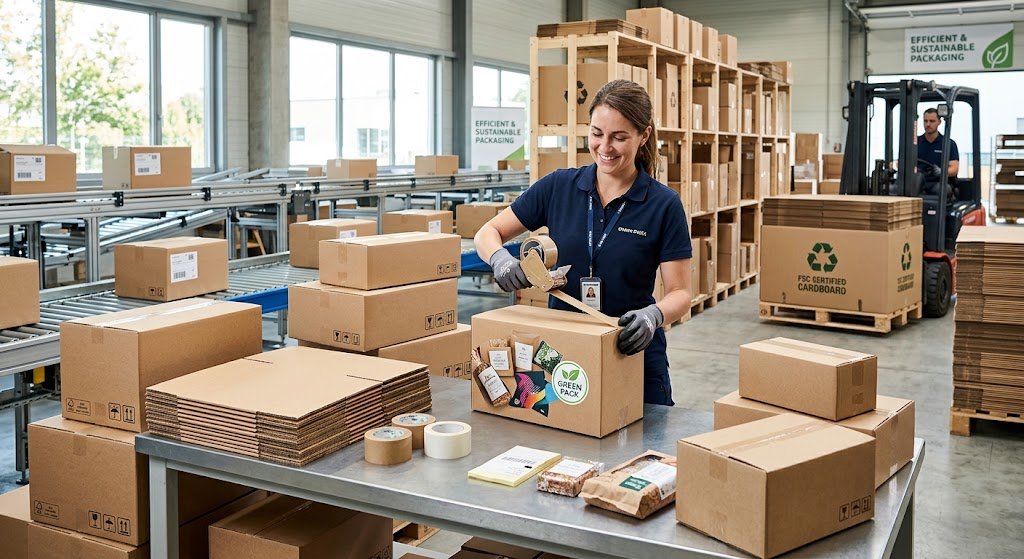
Packaging has become an important part of how products are presented, protected, stored, and transported. As businesses continue to look for practical and attractive packaging solutions, small components can make a noticeable difference in the overall experience. One example is the pappe deckel, a simple packaging element that can serve several useful purposes depending on the product and application.
The idea behind paperboard-based lids is straightforward. They provide a lightweight covering while maintaining a relatively simple structure. Their use can be found across different packaging environments, particularly where convenience, presentation, and efficient handling are important.
Understanding Paperboard Lids
A pappe deckel can generally be understood as a paperboard or cardboard lid designed to cover a container or packaging unit. The exact construction can vary according to the intended purpose, size, material thickness, and design requirements.
Unlike heavy packaging components, paperboard lids can offer a lightweight alternative for certain applications. They can also be produced in different shapes and sizes, allowing manufacturers to adapt them to specific packaging formats.
Their simplicity is one of their biggest advantages. A lid does not always need to be complicated to perform an important function. In many cases, its primary role is to cover the contents and provide a convenient finishing element.
Why Packaging Design Matters
Packaging does much more than protect a product. It can influence how customers perceive an item before they even use it.
A clean and properly designed package can make a product appear organized and professional. The lid is often part of that first impression because it completes the appearance of the container.
For businesses, this means packaging components need to be considered carefully. A suitable lid should fit properly, be easy to handle, and work well with the rest of the package.
Lightweight Materials Have Practical Benefits
Weight is an important consideration in packaging. Heavy components can increase transportation requirements and make products more difficult to handle.
Paperboard is naturally associated with lightweight packaging applications. When used appropriately, it can provide sufficient structure without adding unnecessary weight.
This can be particularly useful when packaging is produced in large quantities. Even a small reduction in the weight of individual components can become significant when thousands of packages are manufactured and transported.
Flexible Design Possibilities
Another useful feature of paperboard packaging is its adaptability. Different products require different packaging dimensions, and manufacturers may need components that match specific containers.
Paperboard lids can be designed according to particular measurements and shapes. Depending on the production method, they may also accommodate printed designs, branding elements, patterns, or other visual details.
This flexibility allows businesses to create packaging that is not only functional but also visually consistent with their overall brand identity.
Supporting a Better Customer Experience
Customers interact with packaging before they interact with the product itself. Opening, closing, carrying, and storing an item can all influence the overall experience.
A lid that is easy to handle can make packaging more convenient. If it fits securely but can still be removed without unnecessary effort, it provides a simple benefit that customers may appreciate.
Small details like these can contribute to how people evaluate a product. While packaging cannot replace product quality, it can certainly support a more positive first impression.
Different Uses Across Industries
Paperboard lids can be relevant to several industries because containers come in many different forms.
Food packaging, retail products, household items, promotional packaging, and specialty goods may all require some form of covering or closure. The exact material and construction depend on the product’s needs.
For example, packaging intended for retail display may place greater importance on appearance, while transport-focused packaging may prioritize strength and secure closure.
This makes material selection an important part of the packaging process.
The Role of Manufacturing Quality
A packaging lid may look simple, but consistent manufacturing is important. Small differences in dimensions can affect how well a lid fits its container.
Manufacturers therefore need to consider factors such as material thickness, cutting accuracy, folding structure, and overall durability.
Quality control can help reduce problems during production and ensure that packaging components perform consistently. For businesses ordering packaging in large quantities, reliable manufacturing can be especially important.
Balancing Function and Appearance
Modern packaging often needs to perform two jobs at the same time. It should protect or cover the product while also presenting it in an appealing way.
A plain lid may be sufficient for some applications, while other products may benefit from printed surfaces or customized designs. The right choice depends on the product, target audience, and intended presentation.
Good packaging design usually avoids unnecessary complexity. Instead, it combines practical construction with an appearance that matches the product.
Packaging and Changing Consumer Expectations
Consumer expectations around packaging have changed significantly. People increasingly notice how products are packaged and may consider convenience, material choices, and overall presentation when making purchasing decisions.
This has encouraged companies to examine every part of their packaging process. Even simple components can become part of a larger strategy focused on efficiency and customer satisfaction.
As packaging technology continues to develop, manufacturers will have more opportunities to create materials and designs that balance practicality with modern expectations.
Choosing the Right Packaging Component
There is no single packaging solution that works for every product. Businesses need to consider the container’s size, contents, storage conditions, transportation requirements, appearance, and budget.
A paperboard lid can be a useful option when its characteristics match the application’s needs. However, the final decision should always be based on the specific requirements of the product.
Considering the entire packaging system rather than one component alone can lead to better results. The lid, container, labeling, printing, and protective elements should work together as one complete solution.
Final Thoughts
Packaging continues to evolve as businesses search for practical, efficient, and attractive ways to present their products. Simple components such as a pappe deckel can play an important role in creating a complete packaging system.
Its lightweight nature, adaptable design, and potential for customization make paperboard-based lids relevant to a variety of applications. When combined with accurate manufacturing and thoughtful design, a simple lid can contribute to both functionality and presentation.
As packaging requirements continue to change, businesses will likely keep exploring materials and designs that offer a useful balance between convenience, appearance, efficiency, and reliable performance.